
Is Gorilla Trekking in Rwanda Worth the Money?
Gorilla trekking in Rwanda is often described as one of the most expensive wildlife experiences in Africa, and for many travelers, the cost raises an important question: is it really worth the money? With a high permit fee and additional travel expenses, visitors naturally want to know whether the experience justifies the investment.
The answer goes beyond price comparison. Gorilla trekking in Rwanda is not a typical safari activity. It is a deeply emotional, conservation-driven encounter that combines exclusivity, ethical tourism, and rare wildlife access. Understanding what you receive in return for the cost helps determine whether the experience aligns with your values and expectations.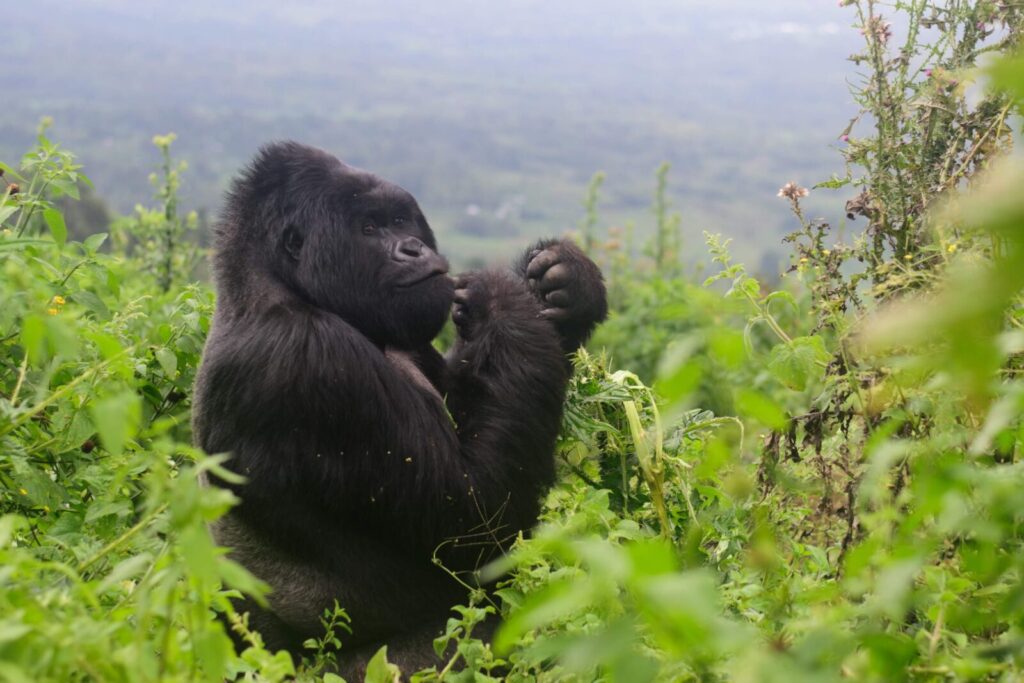
Understanding the True Cost of Gorilla Trekking
The largest cost component of gorilla trekking in Rwanda is the permit fee. This single payment grants access to Volcanoes National Park and allows one hour with a habituated gorilla family. While the fee appears high, it reflects a conservation model built on limited access rather than mass tourism.
Beyond the permit, travelers budget for accommodation, transport, and guiding services. These costs vary depending on travel style, but the core experience remains the same regardless of budget level. The value of gorilla trekking lies in what the permit enables rather than what it includes materially.
What Makes the Experience Unique
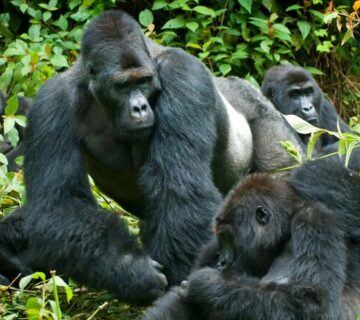
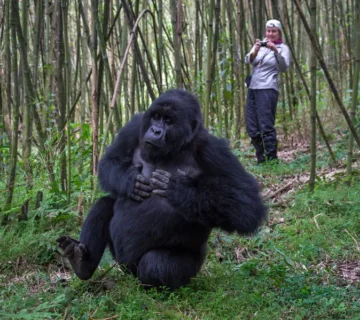
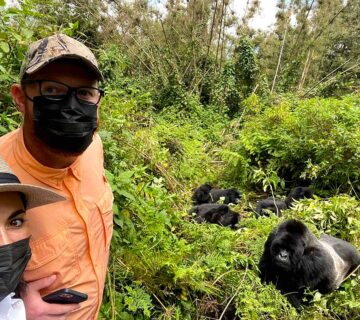
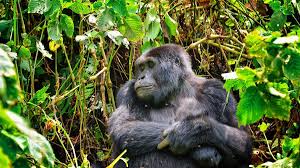
Gorilla trekking offers a level of intimacy unmatched by most wildlife experiences. Standing quietly within meters of mountain gorillas, observing their natural behavior, creates a connection that feels personal and profound. There are no vehicles, fences, or staged encounters.
The rarity of the experience adds to its value. Mountain gorillas exist in only a few protected areas worldwide, and Rwanda limits daily visitor numbers strictly. This exclusivity ensures encounters remain calm, respectful, and emotionally impactful.
Emotional Value vs Financial Cost
Many travelers measure value by emotional return rather than duration or comfort. Although the gorilla encounter lasts only one hour, the intensity of the experience often surpasses that of multi-day safaris. Visitors frequently describe it as life-changing rather than merely enjoyable.
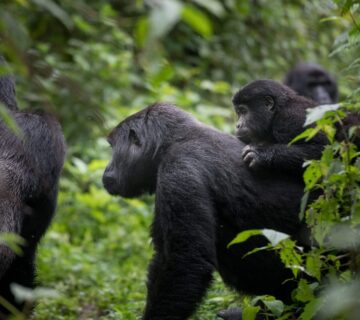
The emotional impact continues long after the trip ends. Memories of eye contact with a silverback or watching young gorillas play often remain vivid for years. For many, this lasting impression justifies the financial investment.
Conservation Impact of Your Payment
A significant portion of the permit fee directly supports conservation. Funds are used for ranger patrols, veterinary care, habitat protection, and anti-poaching efforts. Tourism revenue has played a major role in stabilizing and increasing mountain gorilla populations.
Visitors also support community development through revenue-sharing programs. Local communities benefit from schools, health centers, and infrastructure funded by tourism. Knowing that your payment contributes to conservation and livelihoods adds ethical value to the experience.
Exclusivity and Crowd Control
Rwanda’s high permit cost serves a purpose beyond revenue generation. It limits visitor numbers, ensuring gorilla families are not overwhelmed. Smaller groups create quieter encounters and reduce stress on the animals.
For travelers who value calm and authenticity, this exclusivity enhances the experience. The absence of crowds allows for deeper observation and reflection, reinforcing the sense of privilege and responsibility.
Comparing Gorilla Trekking to Other Safaris
Traditional wildlife safaris often involve hours of game driving and multiple animal sightings. Gorilla trekking, by contrast, focuses on one species but delivers unmatched closeness and emotional intensity.
While other safaris may offer better value in terms of time or variety, few match the depth of connection gorilla trekking provides. The experience is not about quantity but quality, making comparisons based solely on price misleading.
Who Finds Gorilla Trekking Worth the Money
Travelers who value meaningful experiences, conservation ethics, and emotional depth typically find gorilla trekking worth every dollar. It appeals to those seeking more than entertainment or sightseeing.
Conversely, travelers focused primarily on budget travel or those uncomfortable with physical activity may struggle to justify the cost. Value perception depends heavily on travel priorities rather than objective pricing.
Long-Term Perspective on Value
When viewed years later, many travelers rank gorilla trekking among their most significant travel experiences. Unlike luxury accommodations or transport upgrades, the memory does not fade quickly.
This long-term satisfaction often reframes the initial cost. Travelers frequently state they would choose gorilla trekking again over less expensive but less meaningful activities.
Addressing Common Doubts
Some travelers worry about weather, trek difficulty, or photography challenges affecting value. While conditions vary, sightings remain reliable, and professional guidance ensures safety and support.
Understanding that unpredictability is part of the experience helps manage expectations. The emotional reward often outweighs minor discomforts or logistical challenges.
Value Beyond the Individual Experience
Gorilla trekking contributes to global conservation awareness. Images, stories, and shared experiences inspire broader support for wildlife protection. Travelers become ambassadors for conservation long after returning home.
This broader impact extends the value of the experience beyond personal enjoyment, reinforcing its significance.
Plan Your Safari
Gorilla trekking in Rwanda is worth the money for travelers seeking depth, purpose, and unforgettable connection. While the cost is high, the emotional impact, conservation contribution, and exclusivity create value that extends far beyond the hour spent with the gorillas. For those aligned with its purpose, the experience delivers returns that cannot be measured in currency alone.