Rwanda Gorilla Trekking Rules & Etiquette
Gorilla trekking in Rwanda operates under some of the strictest wildlife interaction rules in the world, and for good reason. Mountain gorillas share a high percentage of their DNA with humans, making them vulnerable to human diseases and stress. The rules and etiquette governing gorilla trekking are designed to protect the gorillas, safeguard visitors, and ensure the long-term sustainability of this extraordinary experience.
Understanding and respecting these rules is not optional. They form the foundation of Rwanda’s conservation success and shape the quality of every gorilla encounter. Visitors who follow the guidelines closely not only protect the gorillas but also enjoy a calmer, more intimate and meaningful experience in the forest.
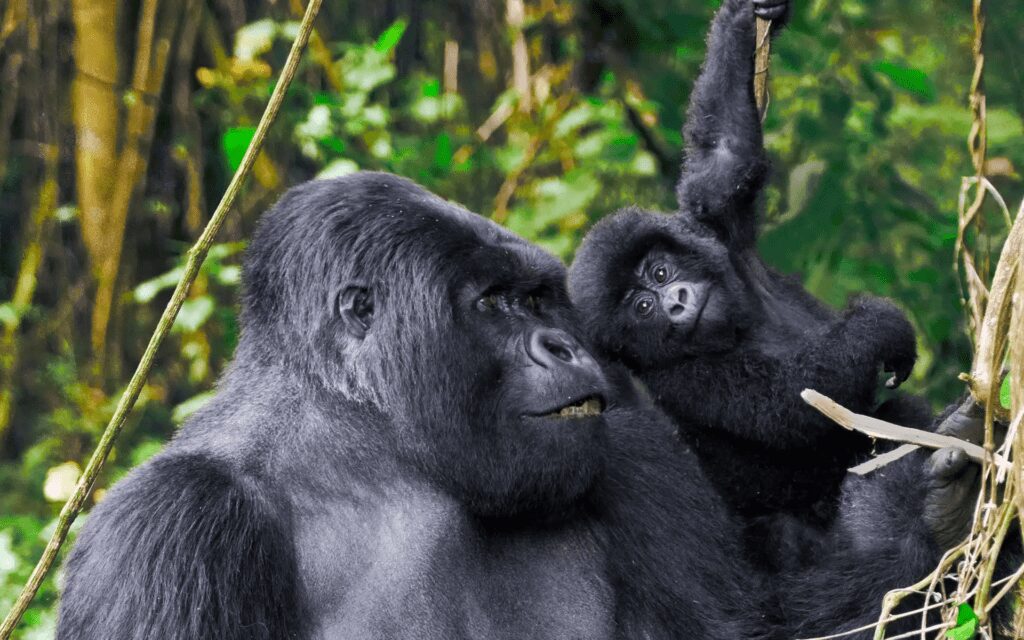
Why Gorilla Trekking Rules Exist
Gorilla trekking rules exist primarily to protect the health and natural behavior of mountain gorillas. Because gorillas are susceptible to human illnesses such as flu and respiratory infections, even minor health risks can have serious consequences for entire families. Limiting exposure and enforcing strict behavior reduces these risks significantly.
Beyond health concerns, rules also help minimize stress and disruption. Gorillas are wild animals with complex social structures. Sudden movements, loud noises, or intrusive behavior can disturb group dynamics. Regulations ensure that gorillas remain relaxed and that encounters feel natural rather than forced.
Pre-Trek Health and Fitness Requirements
Visitors must be in good health on trekking day. Anyone showing signs of illness, including flu, cough, or fever, is not permitted to trek. This rule is strictly enforced to prevent disease transmission. While it may be disappointing to miss a trek, protecting gorillas always takes priority.
Fitness also plays an important role. While athletic ability is not required, trekkers should be prepared for hiking in steep, muddy, and uneven terrain. Honest communication during the morning briefing helps rangers assign appropriate gorilla families based on physical ability, reducing risk and fatigue.
Group Size and Visitor Limits
Rwanda strictly limits the number of visitors allowed to see each gorilla family per day. Each habituated family receives only one small group of trekkers daily. This approach minimizes human presence and preserves a calm environment for the gorillas.
Small group sizes also enhance the visitor experience. With fewer people present, encounters feel more personal and less intrusive. Visitors can observe gorilla behavior quietly and without crowd pressure, creating a deeper emotional connection.
Maintaining Distance From Gorillas
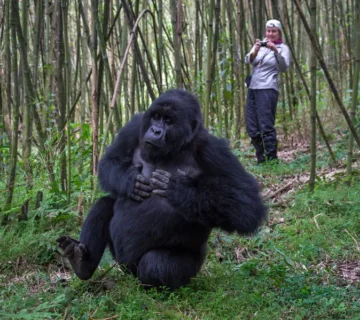
Trekkers must maintain a minimum distance from the gorillas at all times. This distance protects both visitors and gorillas by reducing the risk of disease transmission and accidental contact. Rangers monitor spacing closely and may reposition visitors during the encounter.
Gorillas sometimes move closer on their own, especially curious juveniles. In such cases, visitors must remain still and follow ranger instructions. Allowing gorillas to control proximity ensures safety and respects their natural behavior.
Behavior During the Gorilla Encounter
Calm and controlled behavior is essential during the encounter. Visitors should speak softly, move slowly, and avoid sudden gestures. Loud conversations, pointing, or animated behavior disrupts the gorillas and diminishes the experience for everyone.
Eating, drinking, or smoking near the gorillas is strictly prohibited. These activities introduce foreign smells and increase contamination risk. Remaining focused and present allows visitors to observe authentic gorilla interactions without interference.
Photography Rules and Ethical Practice
Photography is allowed during gorilla trekking, but strict guidelines apply. Flash photography is prohibited because it startles and stresses the gorillas. Visitors should adjust camera settings accordingly and rely on natural light.
Photographers must prioritize ethical behavior over getting the perfect shot. Maintaining distance, avoiding blocking gorilla movement, and respecting ranger instructions ensures that photography does not compromise gorilla welfare.
Time Limits With Gorilla Families
Each group of trekkers is allowed exactly one hour with the gorillas. This time limit is strictly enforced and begins once the gorillas are first observed. Rangers monitor time carefully to prevent overexposure.
While one hour may seem short, it is intentionally designed to minimize stress while still allowing meaningful observation. Most visitors find the experience emotionally intense and fulfilling despite the limited duration.
Ranger Authority and Compliance
Rangers hold full authority during gorilla trekking activities. Their instructions must be followed at all times without question. Rangers are trained not only in wildlife behavior but also in visitor safety and emergency response.
Compliance ensures smooth operations and protects everyone involved. Visitors who listen attentively and follow guidance enjoy a safer, more respectful encounter and contribute to conservation success.
Environmental Responsibility During Treks
Visitors must respect the forest environment throughout the trek. Littering is strictly prohibited, and nothing should be removed from the park. Human waste disposal follows specific guidelines provided by rangers to prevent contamination.
Staying on designated paths and following ranger direction minimizes damage to vegetation. Environmental responsibility ensures that the forest remains healthy for gorillas and future visitors.
Cultural Respect and Community Awareness
Gorilla trekking occurs within landscapes shared with local communities. Respectful behavior extends beyond the forest into surrounding villages. Politeness, modest dress, and cultural sensitivity reflect appreciation for the people who coexist with these protected areas.
Community support plays a vital role in conservation. Visitors who behave respectfully help reinforce positive relationships between tourism and local livelihoods.
Consequences of Breaking the Rules
Failure to follow gorilla trekking rules can result in removal from the trek without refund. Serious violations may lead to future restrictions or legal consequences. These measures protect gorillas and maintain Rwanda’s high conservation standards.
Understanding the importance of these rules helps visitors appreciate their role in safeguarding endangered species. Responsible behavior ensures that gorilla trekking remains possible for generations to come.
Plan Your Safari
Respecting Rwanda’s gorilla trekking rules and etiquette transforms the experience from a simple wildlife sighting into a meaningful conservation partnership. By following guidelines, visitors protect gorillas, support local communities, and enjoy one of the world’s most powerful wildlife encounters in its purest form.