What to Expect on Gorilla Trekking Day in Rwanda
Gorilla trekking day in Rwanda is often described as one of the most emotional and unforgettable days of a traveler’s life. From the early morning briefing to the final moment spent observing mountain gorillas in their natural habitat, the day unfolds with a mix of anticipation, physical challenge, and profound connection. Knowing what to expect helps calm nerves and allows travelers to focus fully on the experience.
Although the outcome—meeting gorillas—is almost guaranteed, the journey itself is unpredictable. Trek duration, terrain, and weather vary daily, making each trek unique. Understanding the flow of the day prepares visitors mentally and physically, ensuring they approach the experience with confidence and respect.
Early Morning Start and Arrival at Park Headquarters
Gorilla trekking day begins early in the morning at the Volcanoes National Park headquarters. Visitors arrive before sunrise or shortly after, depending on travel distance, to check in and prepare for the briefing. The atmosphere is calm but filled with excitement as trekkers gather from different parts of the world.
At arrival, permits and identification are verified to ensure they match booking details. This process runs efficiently and reinforces the importance of advance planning. Travelers use this time to organize gear, adjust clothing layers, and mentally prepare for the trek ahead.
Pre-Trek Briefing and Group Assignment
Before entering the forest, all trekkers attend a mandatory briefing led by park rangers. During this session, rangers explain safety guidelines, trekking rules, and expected behavior around gorillas. These instructions are taken seriously and form the foundation of a safe and respectful encounter.
After the briefing, visitors are assigned to small trekking groups, each designated to a specific gorilla family. Assignments consider fitness levels and trekking conditions, helping match trekkers with suitable routes. This careful grouping enhances comfort and reduces unnecessary physical strain.
Meeting Rangers, Trackers, and Support Team
Each trekking group is led by experienced rangers and trackers who know the forest intimately. Trackers often leave early in the morning to locate gorilla families, communicating their position back to the rangers guiding visitors. This coordination increases trekking efficiency and safety.
Armed rangers accompany groups for security, while additional staff may assist with clearing paths or managing group movement. This professional support system allows visitors to focus on the experience without worrying about navigation or safety concerns.
Entering the Forest and Beginning the Trek
Once groups are ready, trekkers begin their journey into the forest. The transition from open land into dense vegetation is immediate and immersive. Trails may be narrow, steep, and uneven, requiring steady footing and attention.
The pace is generally slow and deliberate, with frequent pauses to rest and adjust. Rangers monitor the group closely, ensuring everyone remains comfortable. Trekking time varies significantly depending on where the gorillas are located that day.
Navigating Terrain and Physical Demands
As the trek progresses, visitors navigate through thick undergrowth, muddy paths, and steep slopes. Vegetation often includes bamboo, nettles, and vines, making long sleeves and trousers essential. The terrain demands patience rather than speed.
Despite the physical effort, most trekkers find the challenge manageable. Regular breaks, encouragement from rangers, and the anticipation of meeting gorillas help maintain motivation. The journey becomes part of the reward rather than an obstacle.
First Encounter With the Gorillas
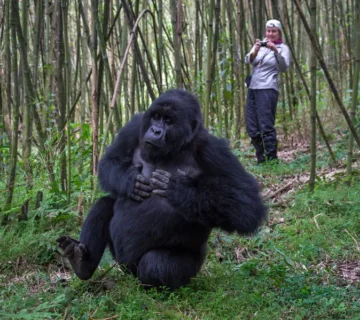
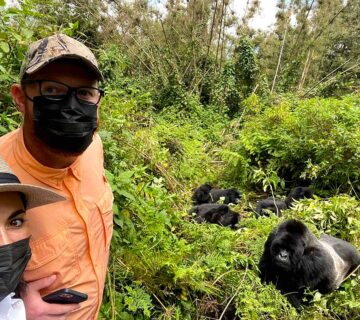
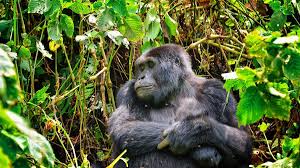
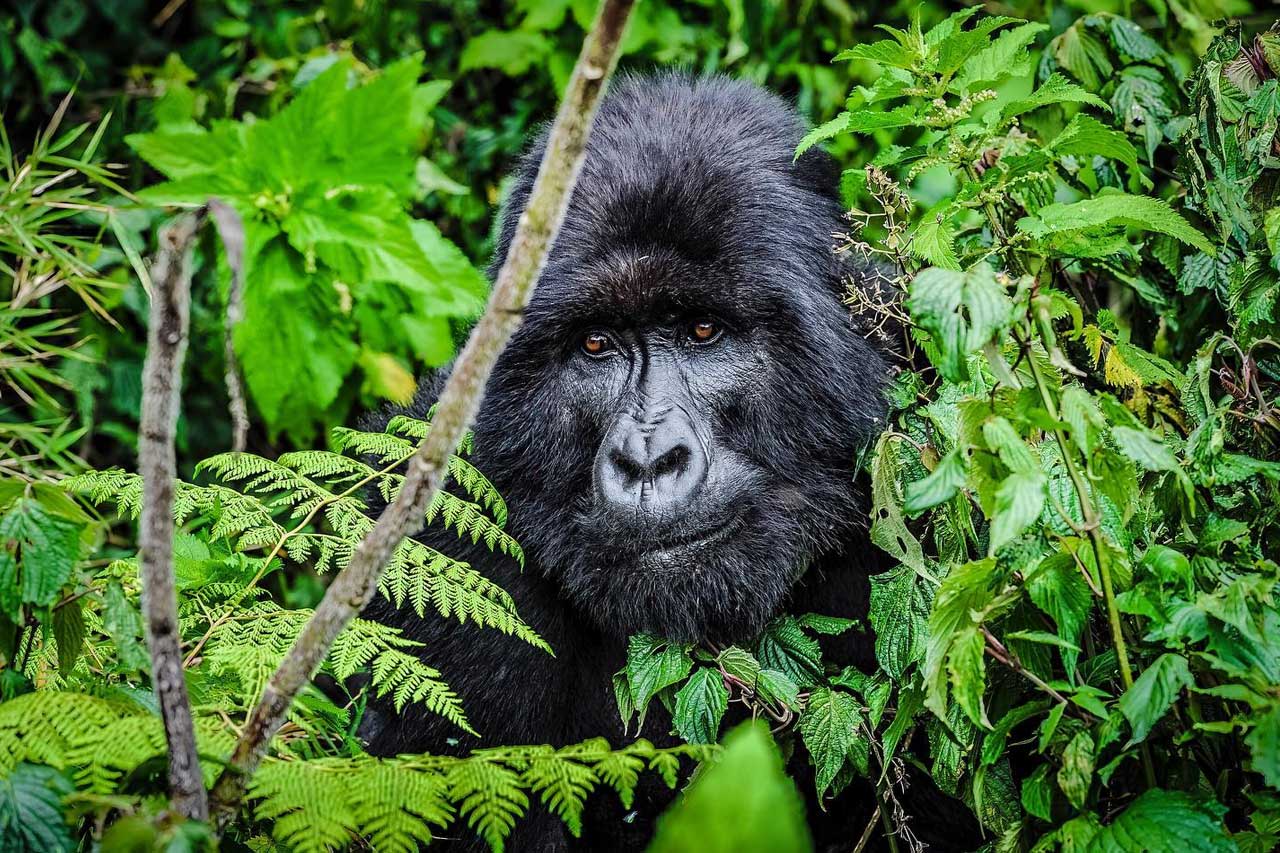
The moment trekkers first see the gorillas is often sudden and deeply emotional. Rangers signal the group to stop, and visitors quietly adjust their position. Seeing gorillas feeding, resting, or interacting naturally at close range creates an immediate sense of awe.
This initial moment often feels surreal. The size, calmness, and human-like behavior of the gorillas leave a lasting impression. Many travelers describe this as the most powerful wildlife encounter they have ever experienced.
One Hour With the Gorilla Family
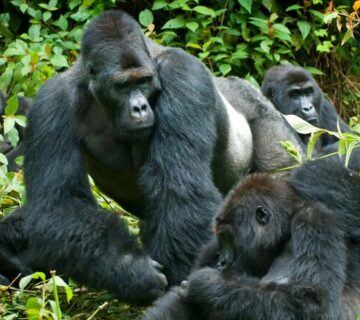
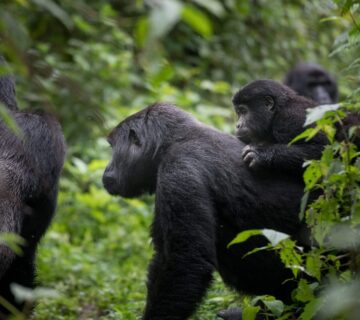
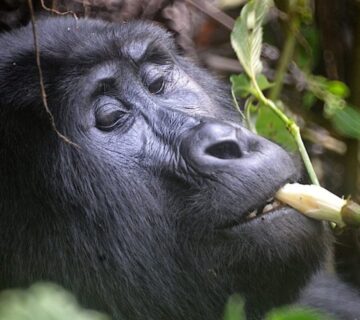
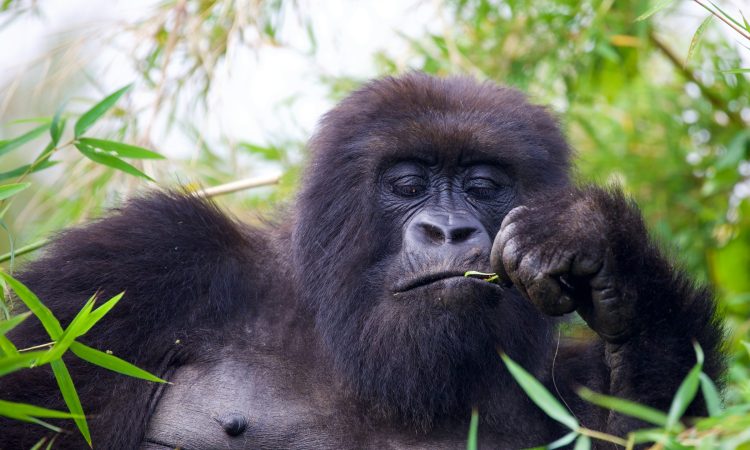
Once the gorillas are located, visitors are allowed exactly one hour in their presence. During this time, trekkers observe gorillas as they go about their daily lives. Silverbacks maintain watch, juveniles play, and adults feed or groom one another.
The hour passes quickly, but it offers ample opportunity for observation, photography, and reflection. Rangers ensure visitors maintain distance and follow etiquette rules, allowing the gorillas to remain relaxed and undisturbed.
Photography and Observation Experience
Photography during the encounter requires patience and awareness. Dense forest and low light conditions challenge camera settings, but the experience rewards those who focus on observation rather than constant shooting.
Many travelers find that moments of simply watching the gorillas, without looking through a lens, become the most memorable. The quiet connection and shared presence create an experience that transcends photography.
Leaving the Gorilla Family
When the hour ends, rangers signal the group to prepare to leave. This moment often feels bittersweet, as visitors step back and allow the gorillas to continue their day undisturbed. The group retreats slowly and respectfully.
Leaving the gorillas reinforces the conservation-first approach of Rwanda’s trekking model. The limited interaction ensures long-term protection while preserving the emotional impact of the experience.
Return Trek and Exit From the Forest
The return journey retraces parts of the original path or follows an alternate route depending on terrain. While fatigue may set in, the atmosphere is often light, filled with shared excitement and reflection among group members.
Upon exiting the forest, trekkers regroup and complete the experience. Many feel a strong sense of accomplishment, both physically and emotionally, after completing the trek.
Emotional Impact of Gorilla Trekking Day
Gorilla trekking day often leaves travelers deeply moved. The experience creates a strong emotional connection to wildlife, conservation, and nature. Many visitors describe feeling humbled, reflective, and grateful.
This emotional impact often becomes the defining highlight of a Rwanda trip. The memory remains vivid long after travel ends, shaping how visitors view wildlife and conservation.
Plan Your Safari
Knowing what to expect on gorilla trekking day helps travelers approach the experience with confidence and openness. From early preparation to the final farewell, every moment contributes to an unforgettable journey. With thoughtful planning and respect for the process, gorilla trekking day in Rwanda becomes a powerful and life-changing experience.