
How Long Does Gorilla Trekking Take in Rwanda?
One of the most common questions travelers ask before booking a gorilla trek in Rwanda is how long the experience actually takes. Gorilla trekking is not a fixed-duration activity, and this uncertainty often creates anxiety for first-time visitors. Understanding the possible time range helps travelers prepare physically and mentally for the day.
In Rwanda, gorilla trekking is a half-day experience rather than a quick excursion. While the time spent with the gorillas is strictly limited, the overall duration of the trek depends on several natural factors. Knowing how the day unfolds allows travelers to manage expectations and enjoy the experience without pressure.
The One-Hour Gorilla Encounter Explained
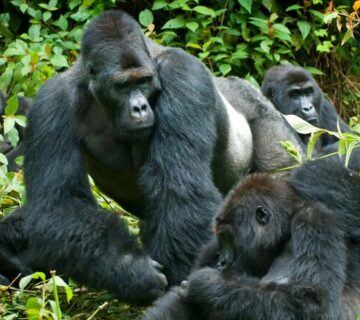
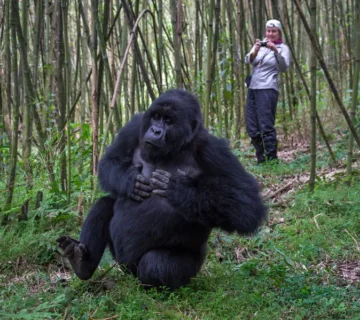
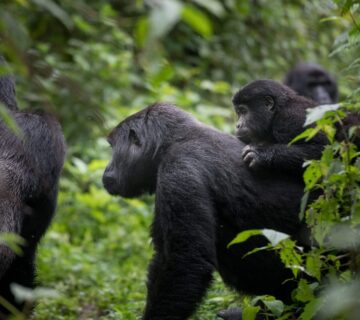
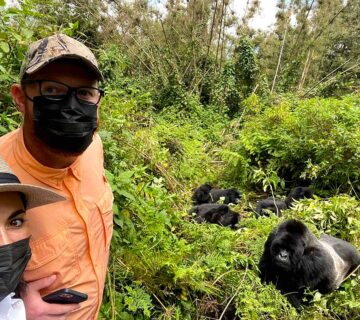
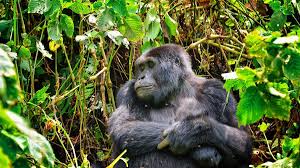
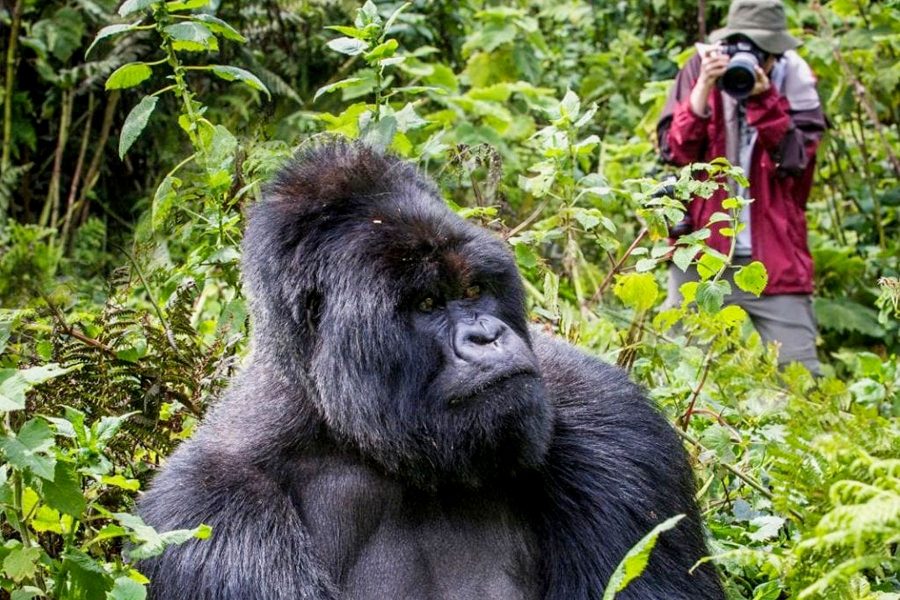
The most predictable part of gorilla trekking is the time spent with the gorillas themselves. Once a gorilla family is located, visitors are allowed exactly one hour in their presence. This rule is strictly enforced to protect the gorillas from stress and disease transmission.
Although one hour may sound short, it feels surprisingly full. Observing gorillas feeding, resting, grooming, and interacting fills the time quickly. Many travelers describe the hour as intense and emotionally powerful, often feeling much longer than expected due to the depth of the experience.
Trekking Time to Reach the Gorillas
The most variable part of gorilla trekking is the time it takes to reach the gorilla family. This can range from as little as 30 minutes to several hours. Gorilla families move freely through the forest, and their location changes daily depending on feeding patterns and terrain.
Some gorilla groups stay closer to park boundaries, while others roam higher into the volcanic slopes. Rangers assign trekkers based on fitness levels, but gorilla movement on the day ultimately determines trekking duration. This unpredictability is a natural part of the experience.
Factors That Influence Trek Duration
Several factors influence how long a gorilla trek takes. Terrain plays a major role, as steep slopes, dense vegetation, and muddy paths slow movement. Weather conditions can further affect pace, especially after rain.
Fitness levels within the group also influence speed. Rangers adjust the pace to suit the slowest member, ensuring safety and comfort. Breaks are taken as needed, making the trek manageable even when distances are longer.
Total Time Spent Inside the Forest
From entering the forest to exiting, gorilla trekking typically takes between three and six hours in total. Short treks may take less time, while longer treks can extend beyond this range, especially in challenging conditions.
This total includes hiking to reach the gorillas, the one-hour encounter, and the return journey. Travelers should be prepared for a flexible schedule and avoid planning tight activities for the rest of the day.
Early Morning Start and Half-Day Commitment
Gorilla trekking begins early in the morning, usually with a briefing at park headquarters around sunrise. This early start ensures cooler temperatures and maximizes safety and organization.
Most travelers return from the trek by early afternoon, depending on trek length. While the activity does not typically last a full day, it requires mental and physical energy, making the remainder of the day best suited for rest or light activities.
Return Trek Duration
The return trek often feels shorter than the initial hike, partly because routes may differ and partly due to adrenaline and excitement. However, fatigue can set in after the emotional high of the gorilla encounter.
Rangers continue to monitor pace and safety during the return journey. Taking time to descend carefully helps prevent slips and injuries, especially on muddy or steep sections.
Time Variations Between Different Gorilla Families
Different gorilla families occupy different territories within Volcanoes National Park. Some territories are closer to access points, while others lie deeper within the forest or higher up the volcanic slopes.
While park staff attempt to match trekkers to suitable groups, gorilla movement on the day remains unpredictable. Travelers should approach trekking time as a range rather than a fixed schedule.
How Trek Duration Affects Physical Preparation
Understanding possible trek length helps travelers prepare appropriately. Longer treks require stamina, hydration, and proper footwear. Shorter treks still involve uneven terrain and should not be underestimated.
Mental preparation is equally important. Accepting uncertainty reduces stress and allows travelers to enjoy the journey rather than focus on time.
Managing Expectations for First-Time Trekkers
First-time gorilla trekkers often worry about how long the trek will take. While uncertainty exists, most visitors find the experience manageable with reasonable fitness and preparation.
The presence of professional rangers, porters, and support staff makes trekking safer and more comfortable. Knowing that help is available allows trekkers to relax and focus on the experience.
Why Trek Duration Adds to the Experience
The time spent trekking through the forest builds anticipation and immersion. Walking through dense vegetation, hearing forest sounds, and following trackers deepen the connection to the environment.
Many travelers later reflect that the effort required enhances the emotional impact of meeting the gorillas. The journey becomes part of the story rather than an obstacle.
Plan Your Safari
Understanding how long gorilla trekking takes in Rwanda allows travelers to plan realistically and prepare confidently. While trek duration varies, the experience consistently delivers profound emotional reward. With flexibility and preparation, every hour spent in the forest becomes part of an unforgettable journey.