Gorilla Trekking Difficulty in Rwanda
Gorilla trekking in Rwanda is often described as life-changing, but many travelers wonder how difficult the experience actually is before committing. While gorilla trekking is not a technical climb, it is a physically engaging activity that takes place in mountainous rainforest terrain. Understanding the level of difficulty helps travelers prepare mentally and physically, reducing anxiety and improving overall enjoyment.
The difficulty of gorilla trekking in Rwanda varies from one trek to another. Factors such as terrain, weather, altitude, and the location of the gorilla family on trekking day all influence how challenging the experience feels. With proper preparation and realistic expectations, most travelers find the trek demanding but achievable.
What Determines Trekking Difficulty
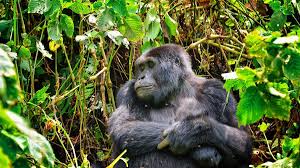
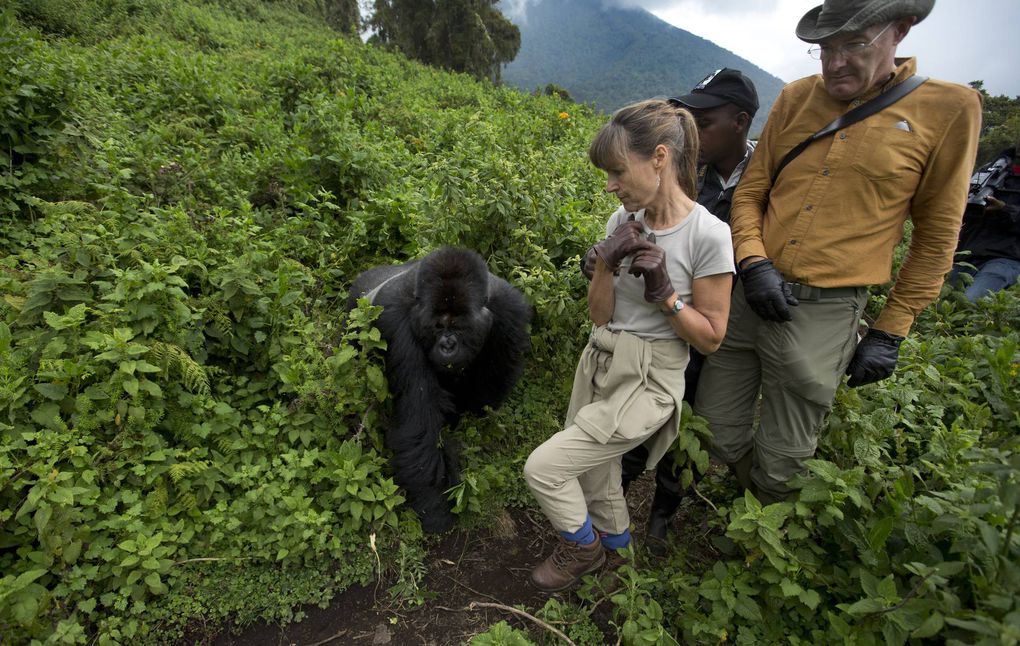
The primary factor affecting trekking difficulty is where the gorilla family is located on the day of the trek. Gorilla groups move freely within the forest, sometimes staying close to park boundaries and other times roaming higher into the volcanic slopes. This movement determines how long and steep the trek will be.
Terrain also plays a significant role. Volcanoes National Park features dense vegetation, uneven ground, and steep inclines. Trails may be muddy, slippery, or narrow, especially after rainfall. These natural conditions add to the physical challenge but also define the authenticity of the experience.
Trek Duration and Distance
Gorilla treks in Rwanda can last anywhere from one hour to six hours or more, including the return journey. Some visitors reach their assigned gorilla family relatively quickly, while others hike for several hours through thick forest and steep terrain.
The unpredictability of trek length is part of the experience. While rangers aim to assign trekkers according to fitness levels, gorilla movement on the day ultimately determines the distance covered. This variability makes preparation essential, even for those expecting an easier trek.
Altitude and Physical Impact
Volcanoes National Park sits at a high altitude, which can affect breathing and stamina, particularly for travelers not accustomed to elevation. While the altitude does not cause severe altitude sickness for most visitors, it can increase fatigue during climbs.
Walking uphill in humid conditions while navigating uneven ground places additional strain on the body. Taking regular breaks, maintaining a steady pace, and staying hydrated help manage these effects. Rangers adjust the pace to suit the group, ensuring safety and comfort.
Weather and Trail Conditions
Weather significantly influences trekking difficulty. During dry seasons, trails are firmer and easier to navigate, reducing physical strain. Rainy seasons bring mud, slippery slopes, and thicker vegetation, which increase effort and balance requirements.
Rain does not stop gorilla trekking, but it does make the experience more physically demanding. Travelers should prepare for changing conditions regardless of season, as rain can occur at any time in the mountains.
Fitness Level Required for Gorilla Trekking
Gorilla trekking does not require athletic training, but a reasonable level of fitness improves comfort. Travelers should be comfortable walking uphill for extended periods and navigating uneven terrain. Determination and mental readiness often matter more than raw fitness.
Older travelers and those with moderate fitness levels regularly complete gorilla treks successfully. The key lies in pacing, preparation, and willingness to take breaks when needed.
Role of Rangers and Trek Support
Rangers and trackers play a crucial role in managing trekking difficulty. They lead the group, clear paths when necessary, and ensure everyone moves safely through the forest. Their experience allows them to adapt the trek to group abilities.
Armed rangers also provide security and guidance, allowing visitors to focus on the experience rather than potential risks. This professional support significantly reduces perceived difficulty and increases confidence.
Using Porters to Reduce Difficulty
Porters are available to assist trekkers by carrying backpacks and offering physical support on steep or slippery sections. Hiring a porter reduces fatigue and allows travelers to concentrate on walking comfortably.
Porter assistance is especially helpful for those concerned about fitness or balance. It also supports local livelihoods, making it a practical and responsible choice for many visitors.
Mental vs Physical Challenge
For many travelers, the mental challenge of uncertainty outweighs the physical difficulty. Not knowing how long the trek will take or how steep the terrain will be can cause anxiety. However, once in the forest, most visitors find the experience manageable and rewarding.
The emotional payoff of encountering mountain gorillas often overshadows physical exertion. Many trekkers describe forgetting fatigue the moment they see the gorillas, highlighting the powerful nature of the experience.
Preparing to Manage Trekking Difficulty
Preparation greatly reduces trekking difficulty. Wearing proper footwear, dressing appropriately, and maintaining basic fitness before the trip improve comfort. Understanding that the trek may be challenging helps set realistic expectations.
Listening carefully during the pre-trek briefing and communicating openly with rangers about fitness levels ensures appropriate group assignment. These steps make the trek safer and more enjoyable.
Who Gorilla Trekking in Rwanda Is Suitable For
Gorilla trekking in Rwanda suits travelers who are willing to walk, adapt, and embrace nature. It is suitable for a wide range of ages and backgrounds, provided individuals approach the experience with patience and preparation.
Travelers seeking comfort without physical effort may find the trek challenging. Those seeking meaningful adventure often find the difficulty adds value to the encounter rather than detracting from it.
Plan Your Safari
Understanding the difficulty of gorilla trekking in Rwanda allows travelers to prepare confidently and enjoy the experience fully. While the trek can be physically demanding, it remains achievable for most visitors with the right mindset and preparation. The reward of standing face-to-face with mountain gorillas makes every step worthwhile.