
Rwanda Travel Etiquette & Culture
Understanding travel etiquette and culture in Rwanda goes far beyond basic manners. It shapes how visitors interact with people, how communities respond to tourism, and how meaningful the overall experience becomes. Rwanda is a deeply respectful society where dignity, order, and social harmony guide everyday life. Visitors who understand this quickly feel welcomed and valued.
Rwanda’s culture reflects resilience, unity, and pride rooted in both tradition and modern national identity. Cultural awareness allows travelers to move confidently through cities, villages, memorials, and natural spaces without causing offense. It also opens doors to genuine connections that transform a visit into a deeper cultural exchange.
The Importance of Respect in Rwandan Society
Respect sits at the core of Rwandan culture and influences communication, behavior, and relationships. People value calm interaction, patience, and politeness in both personal and public spaces. Visitors who approach situations respectfully are met with warmth and openness, even when language barriers exist.
Disrespectful behavior, loud confrontation, or dismissive attitudes stand out quickly and can damage interactions. Rwandans appreciate humility, especially from visitors. Showing respect does not require perfection, but awareness and effort matter greatly in shaping positive experiences.
Greetings and Social Interaction
Greetings play a significant role in Rwandan daily life and often come before any conversation or request. It is customary to greet people politely before asking questions, seeking assistance, or starting business. Even brief interactions benefit from this courtesy, especially in smaller towns and rural areas.
Rushing into conversation without acknowledgment may appear impolite. Taking a moment to greet, ask how someone is doing, or exchange pleasantries reflects good manners and cultural understanding. This simple practice often leads to more helpful and friendly responses.
Dress Code and Appearance
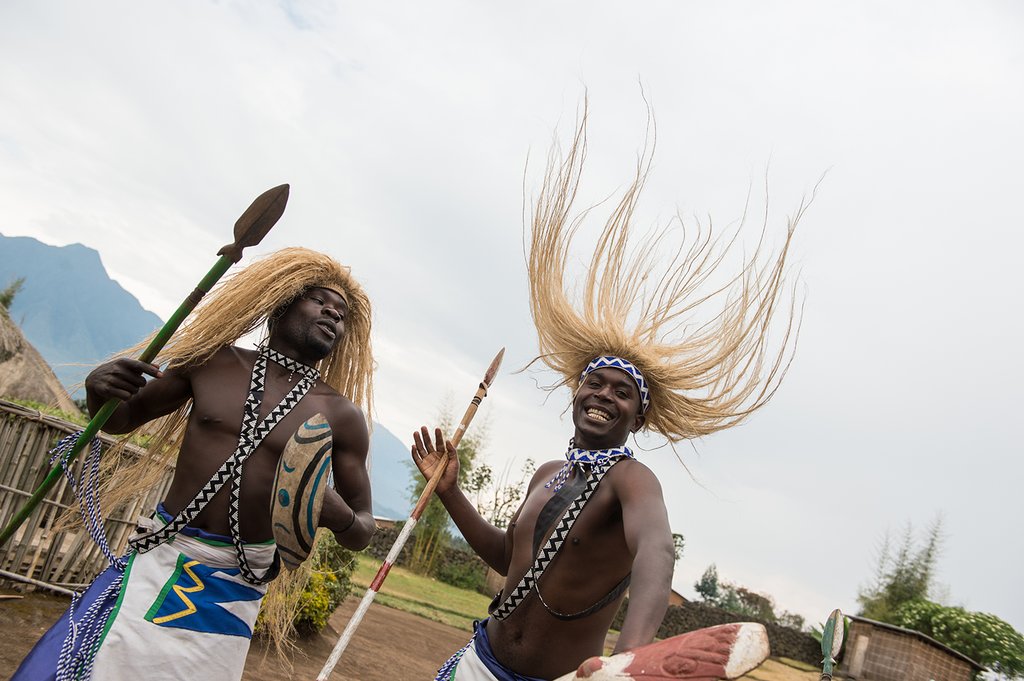
Rwanda maintains a modest and tidy approach to dress, particularly outside major cities. While modern fashion is common in Kigali, visitors are expected to dress conservatively in villages, cultural sites, religious areas, and memorials. Clothing that covers shoulders and knees is generally appropriate.
Appearance also reflects respect for oneself and others. Clean, neat clothing is valued, even in casual settings. Dressing appropriately helps travelers blend in comfortably and shows sensitivity to cultural norms, especially when engaging with local communities.
Photography Etiquette
Photography in Rwanda requires awareness and consent. Visitors should always ask permission before photographing individuals, especially in rural areas, markets, or community settings. Many people are happy to be photographed when approached respectfully, while others may decline.
Photography at genocide memorials demands particular sensitivity. These sites are places of remembrance and reflection, not casual tourist attractions. Visitors should follow posted guidelines, avoid intrusive behavior, and approach photography with dignity and restraint.
Cultural Behavior in Public Spaces
Public behavior in Rwanda is generally calm, orderly, and respectful. Loud conversations, aggressive gestures, or public confrontations are uncommon and discouraged. Visitors who remain composed and patient fit naturally into public environments.
Cleanliness is also culturally important. Rwanda enforces strict environmental policies, and littering is socially unacceptable. Respecting public spaces demonstrates awareness of national values and contributes to the country’s reputation as one of Africa’s cleanest destinations.
Understanding Community and Family Values
Family and community play a central role in Rwandan society. Decisions often prioritize collective wellbeing rather than individual preference. Visitors engaging with local people may notice strong community ties and shared responsibility.
Taking interest in daily life, listening attentively, and showing curiosity without judgment builds trust. Travelers who approach communities with openness often experience genuine hospitality and meaningful cultural exchange.
Visiting Memorials and Historical Sites
Rwanda’s memorials hold deep national and personal significance. Visitors should approach these spaces with silence, modest dress, and emotional awareness. These sites tell powerful stories that help visitors understand Rwanda’s past and its journey forward.
Respectful conduct honors the memories preserved at these locations. Visitors who engage thoughtfully gain valuable insight into Rwanda’s resilience and commitment to remembrance and unity.
Dining Etiquette and Food Culture
Food represents hospitality and generosity in Rwandan culture. Meals often involve sharing and communal interaction, especially in traditional settings. Accepting food politely when offered is considered respectful, even if one chooses to eat lightly.
Using the right hand when eating is customary in many traditional environments. Expressing appreciation for meals, whether simple or elaborate, strengthens social connections and reflects cultural awareness.
Language and Communication Style
Kinyarwanda unites the nation linguistically, while English and French are widely spoken in tourism and professional settings. Communication tends to be polite, indirect, and non-confrontational. Rwandans value harmony and mutual respect in conversation.
Visitors benefit from listening carefully, speaking calmly, and avoiding aggressive tones. Even when misunderstandings occur, patience and courtesy usually resolve situations smoothly.
Cultural Sensitivity in Rural Areas
Rural communities often maintain stronger traditional values than urban centers. Visitors should approach village visits with humility and openness rather than expectation. Asking questions respectfully and observing local behavior helps avoid cultural missteps.
Responsible engagement ensures that tourism benefits communities without disrupting daily life. Respectful visitors are often welcomed warmly and may be invited to participate in cultural activities or conversations.
Religion and Belief Systems
Religion plays an important role in many Rwandans’ lives and shapes community rhythms. Churches and religious gatherings are common and often central to social life. Visitors should behave respectfully near places of worship and during services.
Quiet observation and modest dress demonstrate awareness and courtesy. Even for non-religious travelers, respecting religious spaces strengthens cultural understanding.
Gender Roles Social Norms
Rwanda promotes gender equality while respecting cultural traditions. Women play visible roles in leadership, business, and community development. Visitors should interact respectfully with everyone regardless of gender or age.
Understanding this balance between tradition and progress provides insight into Rwanda’s modern identity. Respectful engagement supports the country’s inclusive values.
Responsible Cultural Engagement
Cultural respect extends beyond behavior into how visitors spend, interact, and participate. Supporting local artisans, respecting traditions, and avoiding exploitative practices contribute positively to communities.
Responsible cultural engagement ensures tourism remains beneficial and sustainable. Visitors who act thoughtfully help preserve Rwanda’s cultural heritage while enjoying richer experiences.
Plan Your Safari
Understanding Rwanda’s etiquette and cultural values transforms travel from sightseeing into meaningful connection. Respectful behavior enhances safety, builds trust, and opens doors to authentic experiences. When travelers align with Rwanda’s cultural norms, they not only enjoy smoother journeys but also contribute positively to the communities they visit.